
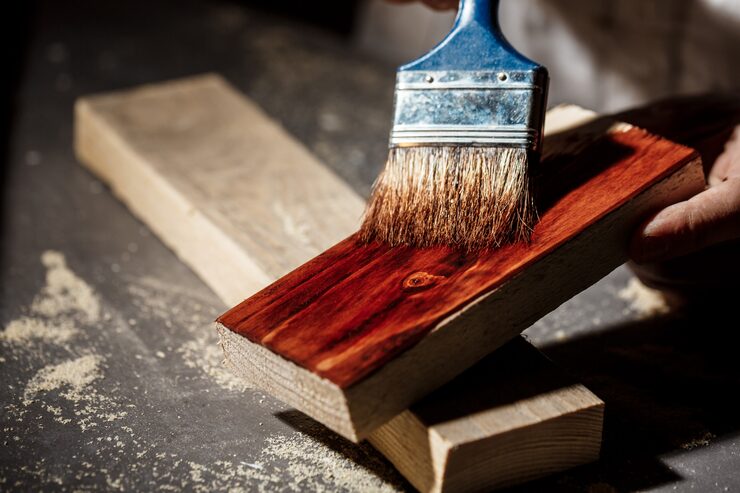
Wood paint helps you bring colour and consistency to timber and wood-based surfaces, particularly where frequent touch and regular wiping can make finishes look uneven.
The outcome usually depends on choosing the right type, preparing the surface well, and letting each layer settle properly. Wood can shift subtly with seasons, so selection and application method both matter.
Understanding Wood Paint And Wood Finishes
Wood coatings are selected for appearance and feel, and each finish family behaves differently on timber and boards.
-
Wood paint: generally forms an opaque layer that covers the surface tone
-
Clear wood finishes: often chosen when you want the grain to remain visible
-
Wood stains: typically add colour while keeping the grain pattern visible
Types of Wood Paint Used For Interior Surfaces
Formulations differ in how they apply, dry, and level. Choose based on indoor comfort, the finish you prefer, and how the surface is used.
-
Water-based wood paint: often selected for easier tool clean-up and a lighter indoor application feel
-
Solvent-based wood paint: commonly chosen for a more traditional flow and finish character
-
Enamel-style wood paint: usually picked when a smoother, more polished look is preferred
-
Speciality wood coatings: may suit needs such as better levelling or improved stain control
Choosing a Wood Paint System That Suits The Surface
A system is the primer and topcoat working together. Thinking in systems can help reduce patchiness and uneven sheen.
-
Keep primer and topcoat compatible, especially when painting over an older coating.
-
Choose a sheen with surface quality in mind; a higher sheen can highlight dents and sanding marks.
-
Consider touch points and cleaning habits, since high-contact areas can show marks faster
-
Factor in humidity and ventilation, as these can affect drying and the final feel
Uses of Wood Paint Across Common Woodwork
Use is best decided by handling, cleaning, and exposure to moisture or scuffing. Choose a finish that suits how the surface will be lived with.
-
Interior joinery and trims
-
Furniture and built-in units
-
Panelling and decorative woodwork
-
Engineered boards are used indoors, where absorption can vary between the face and the edges.
Surface Preparation That Helps The Paint Sit Evenly
Preparation prevents many finish issues. A cleaner, smoother base helps the paint film look more consistent.
-
Clean to remove dust, grease, wax, and polish residue.
-
Sand lightly to smooth raised grain and old coating edges.
-
Fill dents and gaps, then sand flush once set.
-
Remove sanding dust carefully before priming or painting.
-
Prime where the surface is porous, stained, or uneven in absorption
If you are repainting, ensure the existing layer is firm and not flaking, so the new coat has a stable base.
Application Tips For a Neater Wood Paint Finish
Woodwork is viewed up close, so technique shows. Thin, controlled layers often look more even than heavy passes.
-
Stir steadily so the paint blends evenly without trapping air
-
Use clean tools suited to woodwork, and avoid worn bristles that leave streaks
-
Apply even layers with consistent hand pressure
-
Work with the grain where possible and avoid overbrushing as the paint starts to set
-
Allow proper drying between coats, especially in humid weather
Finishing And Aftercare for Long-Lasting Results
Finishing is about refinement, not rushing. Small habits can improve smoothness and reduce visible flaws.
-
Lightly sand between coats if the surface feels slightly rough, then wipe dust before recoating.
-
Keep the area as dust-controlled as possible while the film is still fresh.
-
Paint edges and profiles carefully to prevent thick build-up.
-
Let the coating harden before regular cleaning or heavy handling.
-
Clean gently with a soft cloth and mild cleaner; avoid abrasive pads and harsh chemicals.
Conclusion
Interiors can also look more coherent and finished when wood paint is chosen, the surface is prepared, and the paint is applied with a steady hand. Pay attention to compatibility, even layers, and patient finishing, and you will be more likely to achieve a clean result that will be easier to maintain in every Indian home.
102 comments
Choosing a luxury florist for corporate events is all about service standards: responsiveness with on-site coordination, reliable delivery windows, and a consistent design process from proposal to setup. Da Vinci’s florist stands out with tailored arrangements that match brand tone, plus experienced staff who handle installation details smoothly—so your team
Running a successful project often comes down to getting reliable results from a film lab. If you’re looking for a film lab toronto option, the main problem is usually inconsistent processing or unclear communication around returns and quality checks. A solution is choosing a lab that offers detailed guidance, careful