
Understanding coverage and what policies typically require
Many patients ask whether their medical aid will pay for laser eye surgery, and the honest answer is that approval usually depends on policy rules and clinical criteria. In many cases, benefits are tied to whether the procedure is considered a necessary form of does medical aid cover laser eye surgery treatment rather than an elective enhancement. Medical aids often request ophthalmology reports and may require specific measurements that document the refractive error. Without the right clinical documentation, even medically appropriate care can be delayed or declined.
It’s also important to understand that coverage can differ between plans, networks, and benefit structures. Some schemes cover part of the procedure, while others may limit payments to specific theatres, equipment types, or provider categories. You may need to confirm whether pre-authorisation is required and whether your surgeon is registered with your fund. A clear pre-approval process helps you plan confidently and reduces the risk of unexpected out-of-pocket expenses.
Quality of care affects outcomes—and often your approval process
Trust in the surgeon and the quality of the treatment pathway can play a major role in both safety and patient satisfaction. Laser vision correction decisions rely on more than just the diagnosis; they depend on corneal health, tear film stability, and the eye’s ability to cost of lasik eye surgery in south Africa heal well. When an ophthalmologist evaluates these factors carefully, it lowers the likelihood of complications and improves the chance of predictable visual results. Medical aids and patients both benefit when the clinical reasoning is thorough and clearly communicated.
Choosing a specialist known for careful screening can also make the documentation stronger for a medical aid review. When your consultation includes detailed testing and a written motivation for the recommended procedure, the fund has clearer information to assess medical necessity. High-quality care also includes setting realistic expectations about vision stability, glare sensitivity, and the need for follow-up care. In practice, patients who receive consistent counselling and careful testing tend to feel more confident about both the clinical plan and any financial commitments.
What influences the cost of LASIK and laser procedures in South Africa
The cost of laser vision correction can vary widely because each case is unique and because equipment and facility standards matter. Fees may differ based on the type of laser technology used, the complexity of the prescription, and whether additional procedures are recommended for corneal irregularities. Financing options can also affect the final amount you pay, especially if your medical aid does not cover the full cost or requires a co-payment. Understanding what is included in the quoted price—consultations, pre-op tests, the procedure itself, and post-op visits—helps you compare options fairly.
For patients planning their budget, it helps to ask specific questions such as: what the total fee includes, what follow-up visits are covered, and whether enhancement procedures are handled if needed. Some patients may require surface-based approaches rather than LASIK, which can influence pricing. Others may need corneal topography review, dry eye management, or additional screening to ensure the safest method. When you clarify these details early, you avoid surprises and can better align your payment plan with the expected clinical pathway.
Conclusion
Deciding whether medical aid covers laser eye surgery is easier when you approach it with a trust-and-quality mindset. Start by confirming your plan’s rules, obtaining pre-authorisation if required, and ensuring your ophthalmology reports clearly support medical necessity. Then focus on the quality of the screening, the accuracy of the measurements, and the clarity of the recommended treatment plan. These factors help protect outcomes and improve the strength of the information provided to your fund.
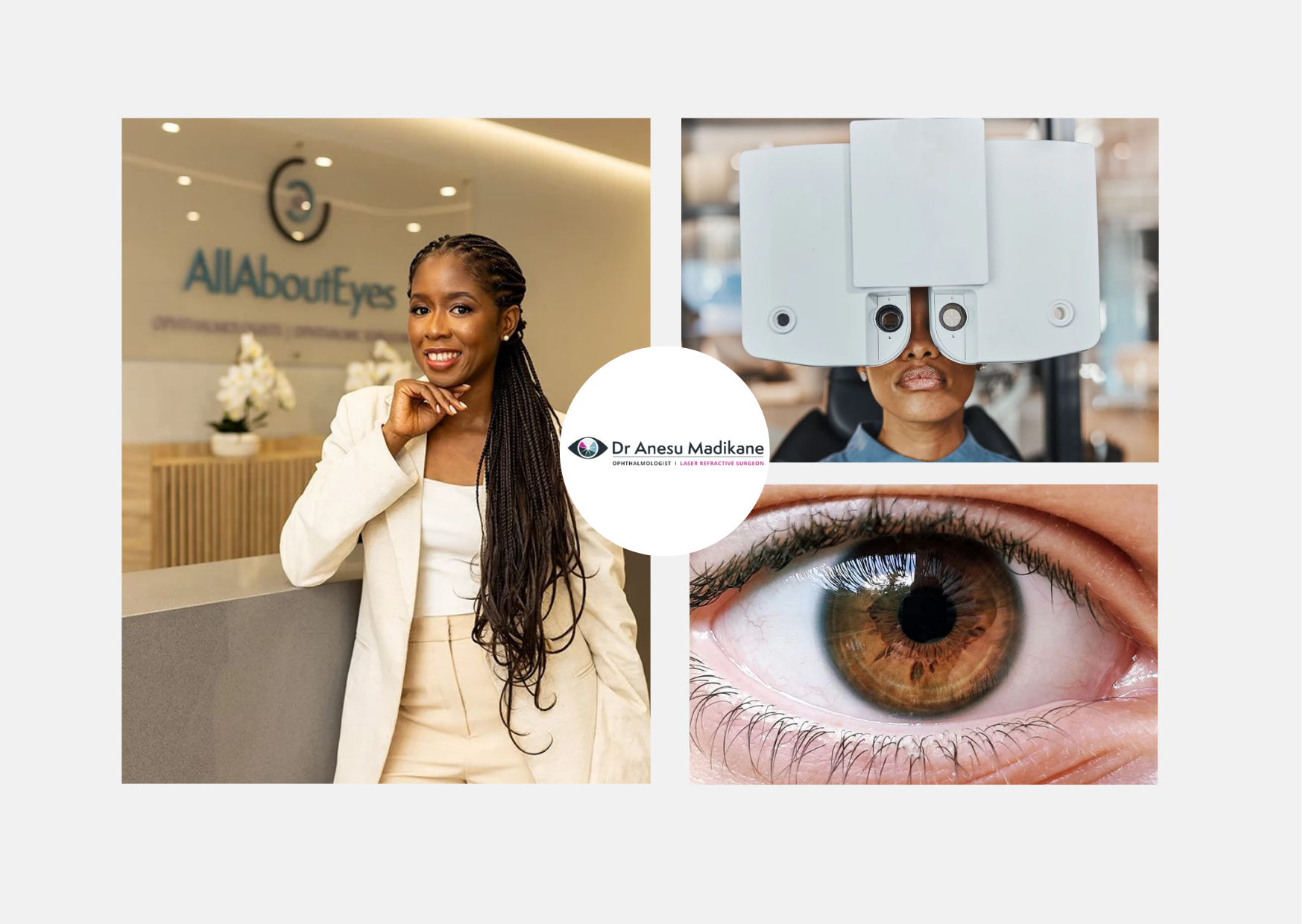
If you’re trying to understand eligibility, benefits, and the role of clinical criteria, reach out to Dr Anesu Madikane through dranesumadikane.co.za for helpful guidance. A specialist discussion can help you weigh options, understand the likely cost components, and choose a procedure that fits your eye health—not just a generic promise. With the right evaluation and documentation, you can move forward with greater confidence and a clear understanding of what to expect.