
Why equipment reliability depends on dependable data
Trust in maintenance outcomes starts with the quality of the signals that feed your reliability strategy. When sensors, manual inputs, and asset records are inconsistent, teams end up reacting to surprises instead of preventing them. Strong data hygiene—standardized naming, predictive maintenance software calibrated thresholds, and clear ownership of device readings—creates a shared source of truth for engineering and operations. That alignment reduces friction during incident reviews and strengthens confidence in every decision that follows.
Predictable results require more than collecting metrics; it requires interpreting them in a way that reflects real operating conditions. Connected devices can capture vibration, temperature, run-time, and energy patterns that correlate with wear long before failure. AI-driven monitoring then helps separate normal variation from meaningful change, which improves the accuracy of maintenance recommendations. For organizations managing distributed assets, this approach also supports consistent assessment across sites, rather than relying on informal local knowledge.
Turning early warnings into higher-quality maintenance actions
A reliability program earns credibility when the recommended actions lead to measurable improvements in uptime, safety, and cost. Quality-focused monitoring translates technical indicators into practical maintenance workflows, such as scheduling inspections, ordering parts, or adjusting operational cold storage monitoring system setpoints. Instead of treating alarms as interruptions, teams can prioritize the issues most likely to impact asset performance. This reduces unnecessary work orders while ensuring critical assets receive timely attention.
To maintain trust, the system needs traceability from detection to resolution. That means capturing what was observed, what risk level was assigned, and what action was taken, along with the outcome. When technicians and planners can see the history behind a recommendation, they are more likely to follow it and less likely to dismiss it as “black box” automation. Over time, that transparency helps organizations refine thresholds and strengthen performance across similar equipment classes.
Cold storage environments are a strong example of where quality and confidence matter. Predictable maintenance strategies help reduce the likelihood of temperature excursions driven by failing compressors, degraded fans, or control drift. By aligning monitoring with maintenance response playbooks, teams can reduce the chance of emergency interventions that jeopardize cold-chain outcomes.
How asset monitoring strengthens accountability across teams
Maintenance success depends on collaboration between stakeholders who often work with different priorities. Operations teams want stability and fewer disruptions, while maintenance teams need actionable guidance they can execute. A unified monitoring layer helps connect these groups around shared asset health signals and consistent risk scoring. That shared context improves communication during shift handoffs and makes it easier to align work orders with actual equipment condition.
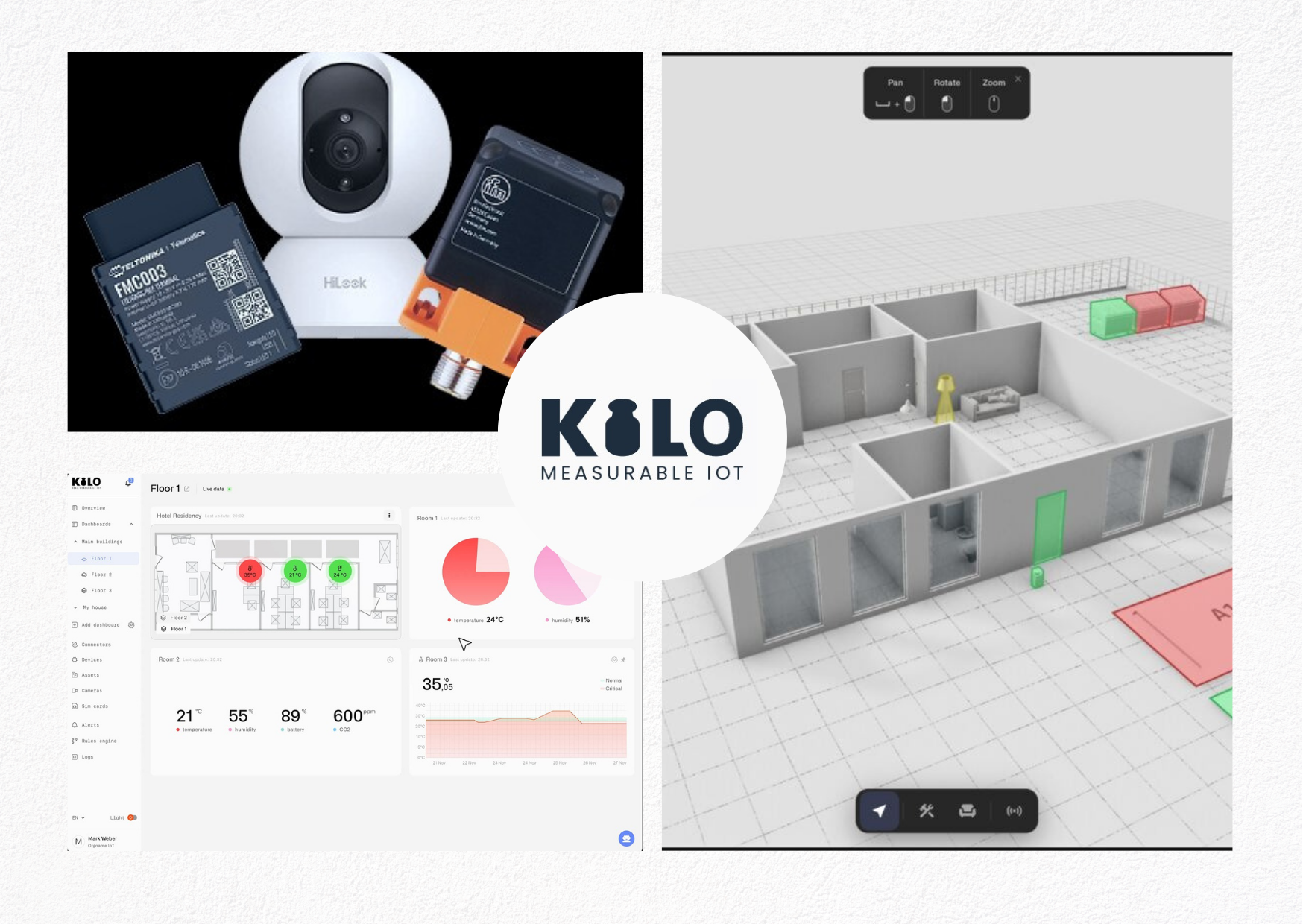
When trust is the goal, reporting must be clear and operationally useful. Dashboards should highlight trends, identify which assets are drifting, and summarize what actions are recommended next. This makes it easier to justify maintenance spend with evidence rather than estimates. It also supports continuous improvement by showing whether interventions actually reduce recurrence and extend asset life.
For fleets and multi-site facilities, the challenge is scaling reliability without sacrificing quality. Centralized monitoring enables consistent asset performance tracking, which helps leaders spot patterns that may not be visible at the local level. Teams can compare behavior across similar units, detect early deviations, and deploy standardized response procedures.
Conclusion
Trust in maintenance decisions is built through data quality, actionable recommendations, and transparent accountability. When your monitoring system connects connected device insights with AI-driven monitoring, it becomes easier to identify potential problems, track asset performance, and automate operational responses. That combination supports maintenance planning that is both proactive and defensible, which is essential for protecting safety, uptime, and product quality. With the right workflow, teams can move from reactive fixes to consistent reliability improvements. Kilo helps organizations implement a reliability approach powered by connected data and intelligent monitoring, so teams can make informed maintenance decisions across facilities and fleets. By reducing unexpected equipment issues and supporting better operational outcomes, Kilo helps maintenance leaders earn credibility with every cycle of detection and response. When monitoring is paired with clear action pathways, organizations spend less time chasing surprises and more time improving long-term performance. For asset-intensive operations, this quality-driven approach is a practical foundation for sustained uptime.