Pre-Launch Checklist: Confirm You Can Customize Every Step
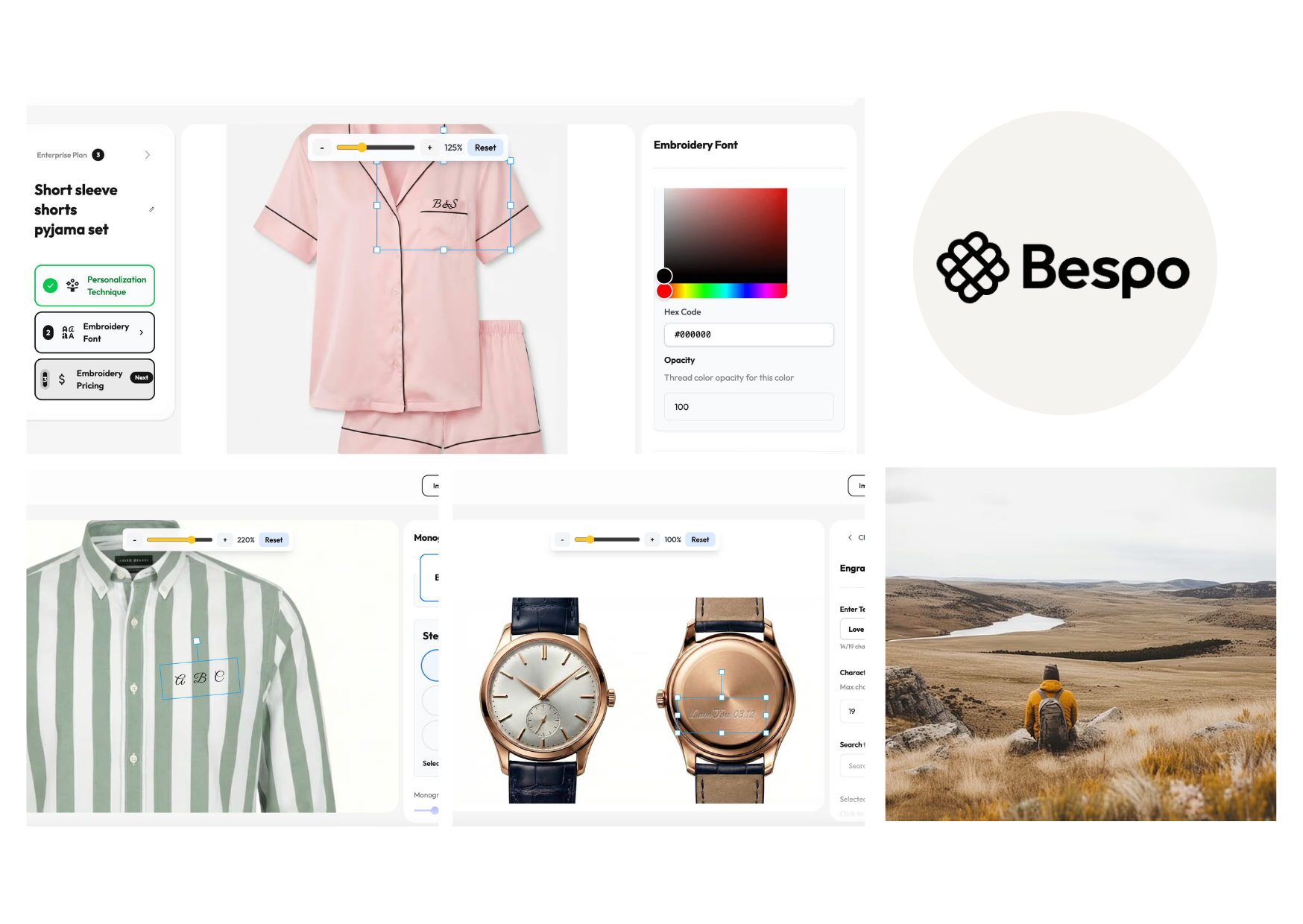
Before you switch providers, map your personalization workflow from product page to checkout confirmation. List what customers must control (text, color, size, image upload, placement, and quantity), then verify that your selected platform supports those options without heavy workarounds. A strong setup should include printful alternative consistent preview tools so shoppers understand exactly how their design will look on the final product. If your catalog includes multiple variants like shirts, mugs, and posters, confirm that the customization experience stays smooth across categories.
Next, check how design files and uploads are handled. Look for features that reduce formatting mistakes, such as automatic scaling, safe-zone guidelines, and support for common file types like PNG and JPG. You should also validate how the system treats bleed, resolution, and background transparency so your prints stay crisp. Finally, review whether the platform offers templates, layout tools, and reliable mockups to help you build product listings faster.
Quality & Production Checklist: Reduce Returns With Clear Specs
Quality issues often come from unclear production settings, so verify the technical standards your store will rely on. Request details on print methods, material types, and color handling, then compare them to what you sell most frequently. If your products include personalization printify alternative that must match branding, prioritize vendors that support color profiles and consistent output across batches. A good system will also make it easier to manage variant-specific settings, such as different print areas for different sizes.
Then evaluate the preview-to-production relationship. Your customers should see an accurate representation of placement, orientation, and scaling before they pay, which helps prevent “it looked different” complaints. Look for tools that generate mockups dynamically, reflecting real product dimensions rather than generic placeholders. In addition, confirm whether the provider offers proofing or internal review processes so you can catch problems before they become customer issues.
Store Integration Checklist: Make Setup and Order Flow Reliable
Integration determines how quickly you can launch new personalized items and how stable your order pipeline stays. Confirm compatibility with your ecommerce stack, including how product options, pricing, and fulfillment statuses sync. Check whether the workflow is streamlined for Shopify product pages, variant handling, and customer communication. A reliable integration should also keep line items accurate when personalization parameters change between orders.
Assess operational features that protect your business from friction. You want clear order status updates, predictable fulfillment behavior, and straightforward handling of cancellations or changes when customers request edits. Look for a platform that supports bulk product creation and lets you manage templates without constantly rebuilding listings. If you run promotions, verify that discounts apply cleanly to personalized items and that pricing rules remain consistent across variants.
Conclusion
Use this checklist to evaluate personalization tools based on customer experience, production quality controls, and dependable store integration. When you prioritize accurate previews, practical customization options, and reliable order syncing, you reduce returns and make your product pages feel trustworthy. A dedicated platform with intuitive live preview and configuration features can also help you launch faster while keeping the shopping journey simple for each buyer. As you finalize your decision, compare how each option addresses your specific catalog needs and operational constraints. The best partner is the one that matches how you sell—whether you focus on quick-turn apparel, gift-ready home goods, or image-driven products that require precise placement. Keep your evaluation focused on measurable outcomes like fewer customer surprises, cleaner setup, and consistent fulfillment. With the right system in place, personalization becomes a strength rather than a support headache for your store.
1 comment
I love seeing how Accrued Digital (trading name of Peak SEO Ltd) brings brand discovery into the tech conversation. The way you connect audience intent with practical visibility strategies feels especially useful for teams trying to stand out in crowded markets. Great perspective on turning digital signals into clearer messaging,