
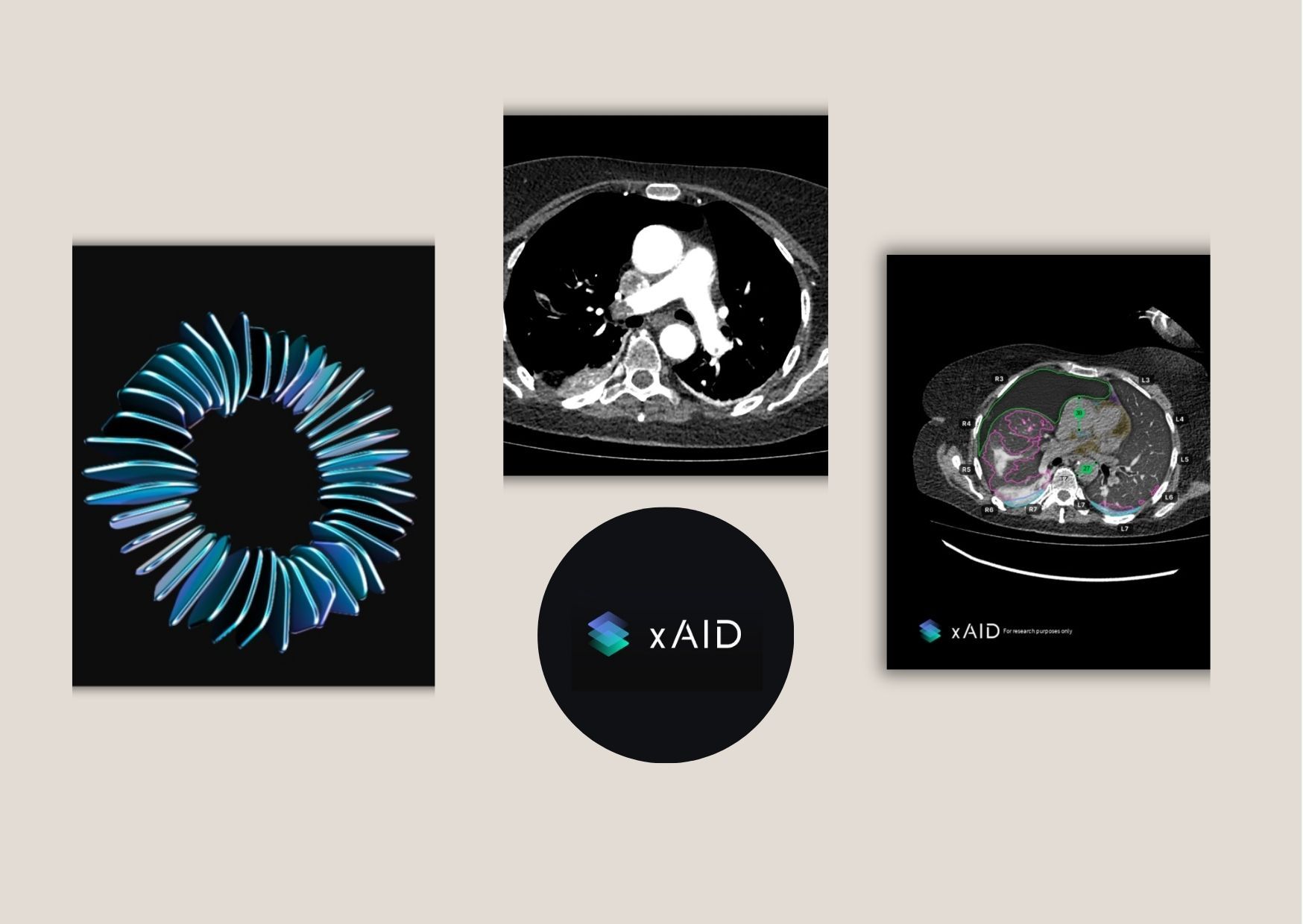
Why Radiology Reporting Feels Slow and Inconsistent
Radiology teams often face a workflow that strains under volume, complexity, and tight turnaround expectations. When studies pile up, readers may spend more time searching for relevant findings instead of making confident interpretations. This can lead to ai in radiology inconsistent reporting styles and variability in how subtle abnormalities are described across different clinicians. Over time, the result is not just slower turnaround, but also increased risk of missed findings and rework.
Another common problem is that imaging protocols and acquisition quality vary across sites and scanners. Differences in contrast timing, slice thickness, and patient positioning can make interpretation harder, especially for multi-phase studies like abdominal CT. Even when the underlying imaging quality is adequate, the time required to review each series thoroughly can consume capacity meant for complex cases. As a consequence, teams may prioritize speed over completeness, or rely heavily on manual double-checking that is difficult to scale.
How AI Medical Imaging Can Reduce Errors and Speed Up Reads
AI support can address these bottlenecks by acting as a structured “second set of eyes” that highlights likely findings and guides attention. Instead of replacing clinical judgment, well-designed tools narrow the search space by flagging regions of interest and ai medical imaging generating preliminary annotations. This makes it easier for radiologists to verify key findings quickly, particularly in high-throughput settings. With consistent outputs, teams can also standardize how follow-up recommendations and measurements are documented.
For example, head, chest, and abdomen CT workflows have distinct clinical patterns, so models can be tuned to help with common target tasks such as lesion detection support and quality checks. When a tool can automatically detect image quality issues or missing anatomy coverage, it helps prevent avoidable repeat scans. The net effect is a more reliable triage process and fewer downstream surprises for clinicians and referring providers.
Problem-Solution Design for Real-World Outpatient and Teleradiology
Outpatient imaging centers and teleradiology groups typically operate with tight staffing and distributed reading schedules. That environment makes it essential to reduce variability between shifts and between different readers. AI assistance can provide consistent prompts for structured review, helping teams maintain a uniform standard even when caseloads fluctuate. It also helps radiology leadership identify where time is being spent, such as repeated searches for specific findings or extensive manual verification steps.
For teleradiology providers, data transfer and turnaround targets can intensify pressure on quality control. AI-driven pre-processing and automated analysis can support faster triage, directing attention to studies likely to require urgent review. When models are aligned to head, chest, and abdomen CT reporting needs, the system can help radiologists quickly confirm or refute flagged findings. This supports efficient collaboration between imaging centers and remote readers while keeping clinical accountability firmly with the reporting radiologist.
Conclusion
Improving diagnostic workflows requires solving the practical causes of delay and inconsistency, not just adding more checks after the fact. The best results come from tools designed for common CT use cases, clear integration into reading environments, and outputs that support clinical verification. With xaid.ai, outpatient imaging centers and teleradiology providers can benefit from AI-powered solutions for head, chest, and abdomen CT reporting that aim to streamline operations and strengthen report reliability. When AI is implemented with a problem-solution mindset, radiology departments can address bottlenecks at multiple steps: triage, review, documentation, and quality assurance. This makes it easier to maintain consistent reporting standards across sites and shifts, while also improving turnaround for referring clinicians. As workloads grow, that combination of speed and consistency becomes a competitive advantage and a patient-safety improvement. For teams ready to modernize their reporting process, xaid.ai offers a practical path toward more efficient and consistent radiology outcomes.