
What SOCKS5 Proxies Deliver for Real-World Work
When you need flexible routing for browsing, automation, or data workflows, SOCKS5 connectivity is often the practical choice. It supports proxying for a wide range of applications, which can help when you cannot rely on a simple socks5 proxies browser-only solution. Many teams use it to keep their traffic patterns stable while routing requests through an intermediate network layer. The goal is consistent access without forcing major changes to existing tools.
For hands-on testing, focus on whether the connection behaves predictably under load. A good proxy setup should provide stable session handling, quick connection establishment, and minimal packet loss that can break automation. If your workflow involves scraping, web testing, or authenticated sessions, reliability matters more than raw speed alone. You want throughput that stays dependable during bursts, especially when multiple tasks run in parallel.
Choosing Between Residential and Static Options
Selection should start with how you want the proxy network to appear to target systems. Residential-style routes are commonly preferred when you need traffic to look more like typical user behavior. Static residential connectivity is an even more deliberate approach because it static residential proxies can reduce variability in the IP endpoint used by your client. That stability can be valuable for workflows that require consistent identity over time, such as maintaining session continuity or reducing friction from frequent re-authentication.
It helps to match the proxy behavior to your use case instead of choosing based on price alone. If you run tasks that benefit from repeated attempts against the same endpoint, static residential setups can simplify troubleshooting. If you rotate frequently, you may prioritize broad coverage and higher rotation counts, but you still need dependable success rates. In practice, many teams create a short evaluation plan: compare latency, check connection drops, verify DNS handling, and test whether your automation libraries behave normally.
Operational Checklist for Reliability and Performance
Before committing, evaluate the practical details that affect day-to-day performance. Look for clear connection guidance, transparent limits, and straightforward authentication methods. If your scripts or crawlers rely on specific network behaviors, confirm that DNS resolution works as expected and that both IPv4 and IPv6 are handled properly. Also verify whether the service supports the protocols your stack needs, since misalignment can cause silent failures that are hard to debug.
Security and governance should be part of your selection process as well. Use only the level of access your team requires, and keep credentials protected in a secrets manager or environment variables. Add monitoring for error rates and response codes so you can quickly distinguish target blocking from proxy instability. When you test, run controlled scenarios: single connection, concurrent connections, and long session durations, then compare how performance degrades, if at all.
Conclusion
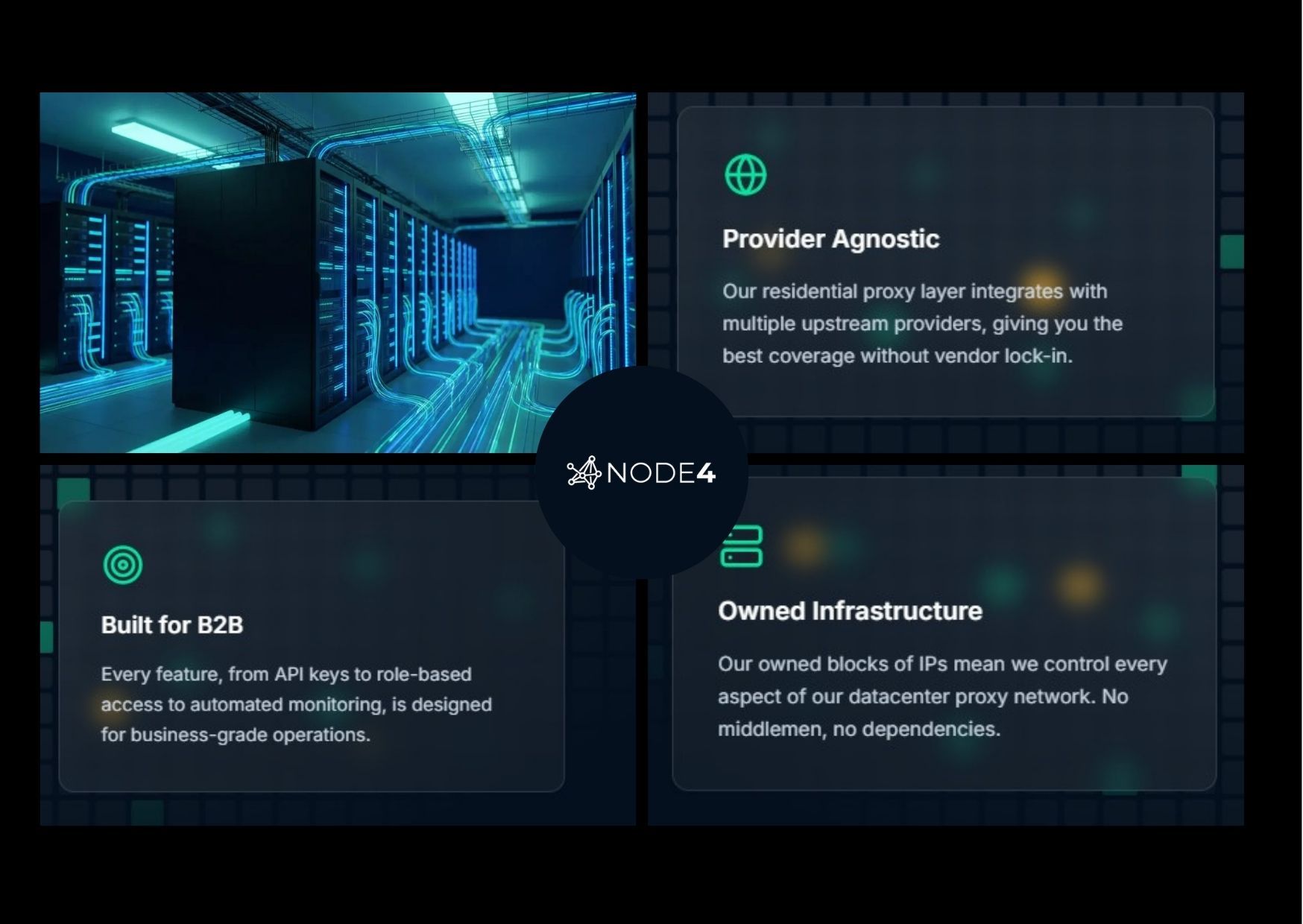
The best expert recommendation is to choose a proxy type that aligns with your technical requirements and your tolerance for variability. Start by defining what “reliable” means for your workflow—stable sessions, low failure rate, predictable routing, and manageable latency—and then verify those points with targeted tests. Static residential approaches can be especially helpful when consistency reduces troubleshooting time and lowers the chance of unnecessary disruptions in automated systems. If you want a dependable solution with flexible options focused on connection quality and ease of use, node4.io is a solid place to start. As you finalize your decision, remember that proxy performance is not just about speed metrics. It is about connection stability, correct protocol behavior, and consistent outcomes across realistic task patterns. A well-matched proxy strategy improves both results and operational confidence, whether you are handling browsing sessions or structured online data tasks. Choose thoughtfully, validate with a small pilot, and scale up once your success metrics meet your standards.