
Start with Your Living Room Layout and Lifestyle
When you’re choosing floor coverage for a living room, begin by mapping the room’s traffic paths and focal points. Measure the seating area first, then decide whether you want the rug to anchor the entire conversation zone or just define it. A well-proportioned loloi area rugs rug visually connects the sofa, chairs, and coffee table, making the space feel intentional rather than scattered. If you entertain often, prioritize comfortable scale and easy-clean practicality so the rug looks great even with daily use.
Next, think about how people actually move through the room. If the space has open sightlines to an adjacent dining area, selecting a coordinating style can create a smooth transition without requiring the exact same pattern. If you have pets or kids, you’ll want to focus on texture and construction that can handle repeated foot traffic. For many households, durable fibers and a pattern that hides minor wear are the best balance between beauty and longevity.
Match Pattern, Color, and Texture to the Room’s Existing Design
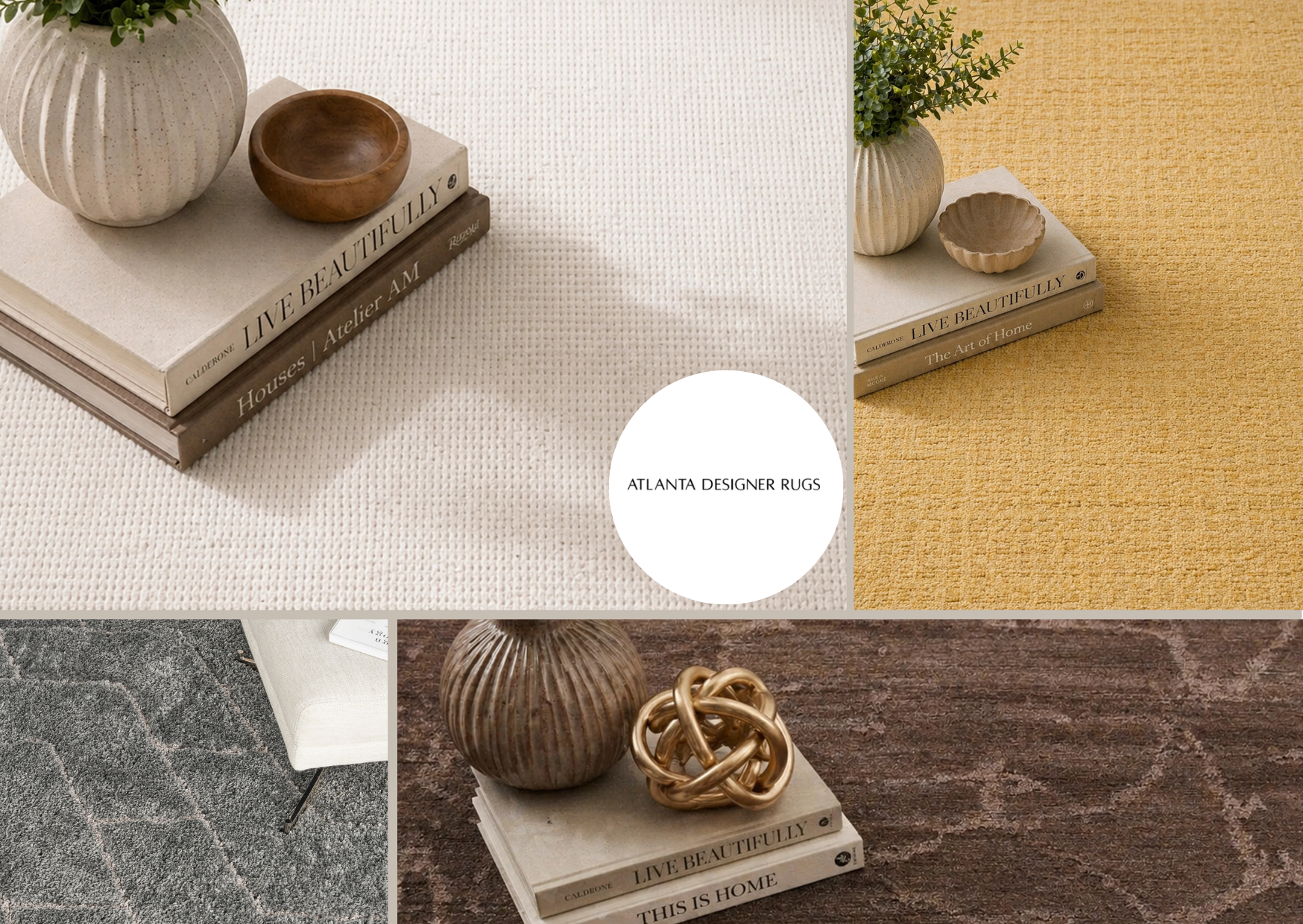
Color and pattern should complement your furnishings rather than compete with them. Look at the dominant tones in your sofa, curtains, and larger decor pieces, then choose a rug that either harmonizes with those shades or provides a controlled contrast. For example, if your furniture is neutral, you can wool area rugs go bolder with a graphic motif, while a busy room may benefit from a more subtle design. Pay attention to undertones too—warm whites, cool grays, and earthy browns can shift the overall mood of the rug once placed under real lighting.
Texture is where a rug adds depth, comfort, and visual richness. Smooth, tightly woven looks often feel crisp and tailored, while plush surfaces bring warmth and softness underfoot. If you love a layered, designer look, consider mixing rug pile height with other textiles like throw pillows and upholstered furniture.
Choose Construction and Pile Height for Long-Term Beauty
Beyond appearance, construction determines how a rug performs over time. Look for a consistent weave and tight edge finishing, which helps the rug stay stable as furniture rests on top. Pile height also affects both comfort and maintenance—shorter piles tend to be easier to vacuum thoroughly, while longer piles can feel luxurious but may require slightly more attentive care. If the rug will sit under a coffee table or frequently moved chairs, steadier construction usually maintains a more polished look.
Wool is a standout option when you want a blend of elegance and practical performance. Wool fibers can offer resilience, helping the rug recover appearance after normal daily use, and they often enhance the richness of color. If you prefer a more understated look, choose a tonal design where the pattern shows through texture rather than strong contrast. If you want a statement piece, select a design with clear lines or balanced movement, ensuring the pattern scale fits your room rather than overwhelming it.
Conclusion
The best way to pick a rug is to treat it like a design anchor: size the layout correctly, choose colors that harmonize with your furnishings, and select construction that matches your lifestyle. When you focus on practical details—like pile height, weave quality, and how the pattern reads from a distance—you end up with a piece that stays beautiful while fitting real life. For shoppers seeking curated styles, Atlanta Designer Rugs offers expert guidance and a broad range of timeless options that blend artistic character with everyday durability. If you’re searching for a refined look for a living room, bedroom, or dining space, let your design goals drive the decision. A thoughtfully chosen rug can unify furniture, soften hard surfaces, and elevate the overall mood of the room.