
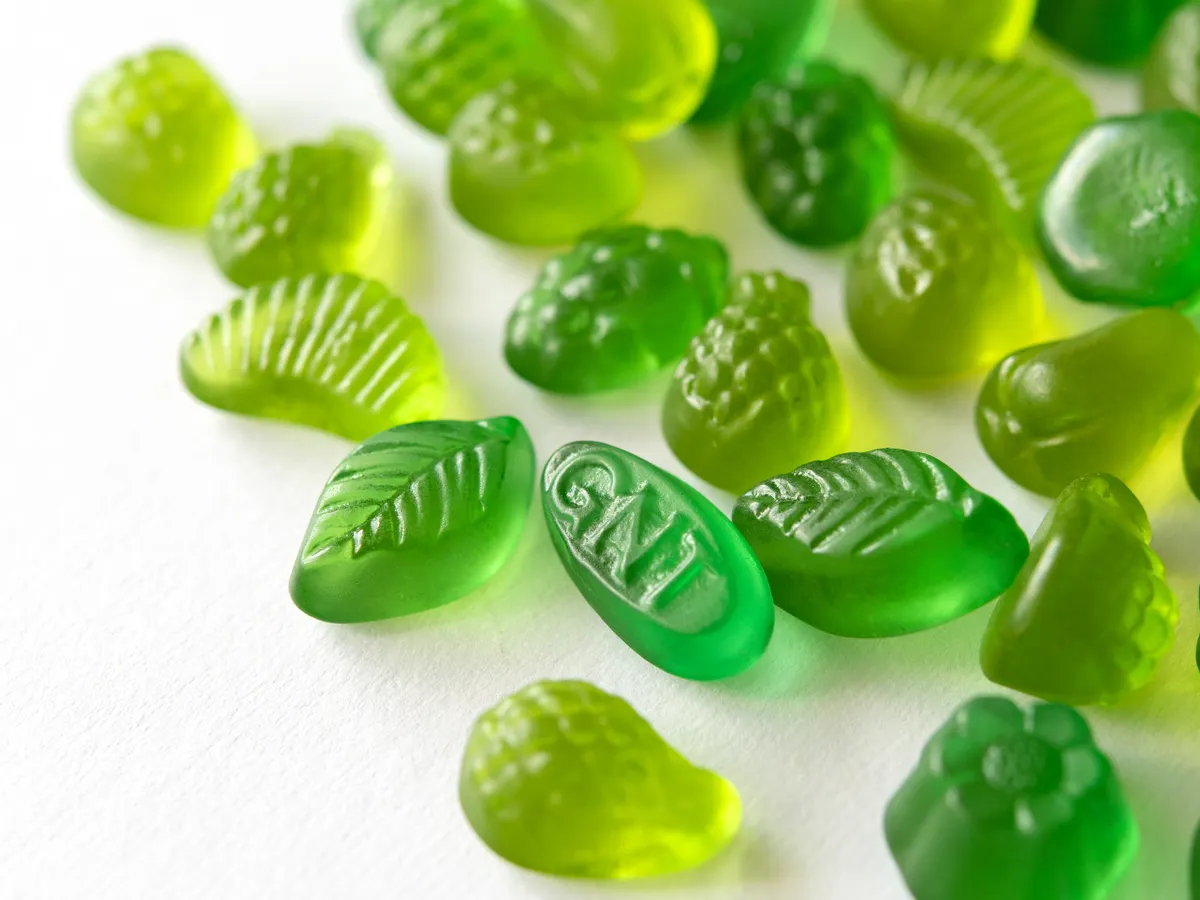
Green sounds easy until several green products are placed next to each other. The color expected in a lime drink may be bright and lively. A vegetable snack might need something more muted, while confectionery could call for an entirely different visual effect.
For a food developer, that means “green” is only the starting instruction. The existing color of the recipe, processing conditions and desired shelf-life appearance all need to be considered before a formulation is ready for production.
Begin With the Food Before Adding Color
Every recipe brings some color of its own.
A clear beverage provides a very different background from an opaque dairy-style product. Spices, fruit ingredients, proteins and fats may already contribute yellow, cream or brown tones before the coloring system enters the formulation.
Make an uncolored control and keep it throughout development. This simple reference makes it easier to see what the added color is actually doing instead of judging each trial from memory.
Define the Green More Carefully
A development brief that simply says “natural green” leaves plenty of room for disagreement.
Is the desired result a fresh leaf green, a yellow-green associated with citrus, or something darker? Put a physical reference in front of the team if possible.
When evaluating a natural food colorant for green shades, the target should also make sense for the food itself. A highly saturated reference chosen on a computer screen may not translate exactly into an opaque or naturally coloured recipe.
A realistic target can save several unnecessary rounds of adjustment.
Remember That Green May Be Built From Color Relationships
Green sits between yellow and blue visually, which makes the surrounding formulation particularly interesting.
If a product already has a yellowish base, the final shade may not respond exactly as it would in a clear system. Likewise, changing another ingredient during development can alter the background against which the green is perceived.
This is one reason color trials should happen after the core recipe is reasonably stable. Otherwise, the development team may keep correcting a color problem that is actually being caused by changes elsewhere.
Reformulation Needs a Fresh Starting Point
A manufacturer investigating natural yellow food color as part of a green shade for an existing product may already have a familiar shade that customers recognize.
Trying to reproduce that appearance with a different coloring approach should be treated as reformulation, not merely substitution. Start with small controlled batches and compare them against an approved reference under consistent lighting.
Avoid changing several variables at once. If the color quantity, acidity and flavor system are all adjusted in the same trial, it becomes difficult to identify what caused the final change.
Processing Belongs in the Color Test
A sample mixed by hand in a laboratory has not experienced commercial production.
Heating, mixing time, ingredient order and other processing conditions may affect the final appearance. During trials, make a note of these details with the colour dosage.
When production scales up, compare the larger batch with the original reference before making immediate corrections. Differences in equipment and processing time may explain why a shade appears slightly different.
Good notes turn that investigation into a manageable task.
Look Again After Packaging
The color seen immediately after production is important, but it is not necessarily the color a customer will see.
Packaging, light exposure and storage conditions should be considered during stability work. Evaluate the product at appropriate intervals rather than relying entirely on the first day’s result.
Use consistent viewing conditions wherever practical. A shade assessed beside a sunny window can appear different under artificial lighting, creating disagreement even when the product itself has not changed.
Conclusion
Green formulation becomes much easier once the development team stops treating green as one fixed color. The food already has a visual background, production adds another set of conditions, and storage gets the final say before the package reaches a customer.
Keeping an uncolored control and an approved finished reference gives those stages something concrete to work towards. Manufacturers developing green shades for commercial foods can use the application information available through foodrgb.com as a starting point, then let real product trials determine which solution belongs in the finished formulation.