
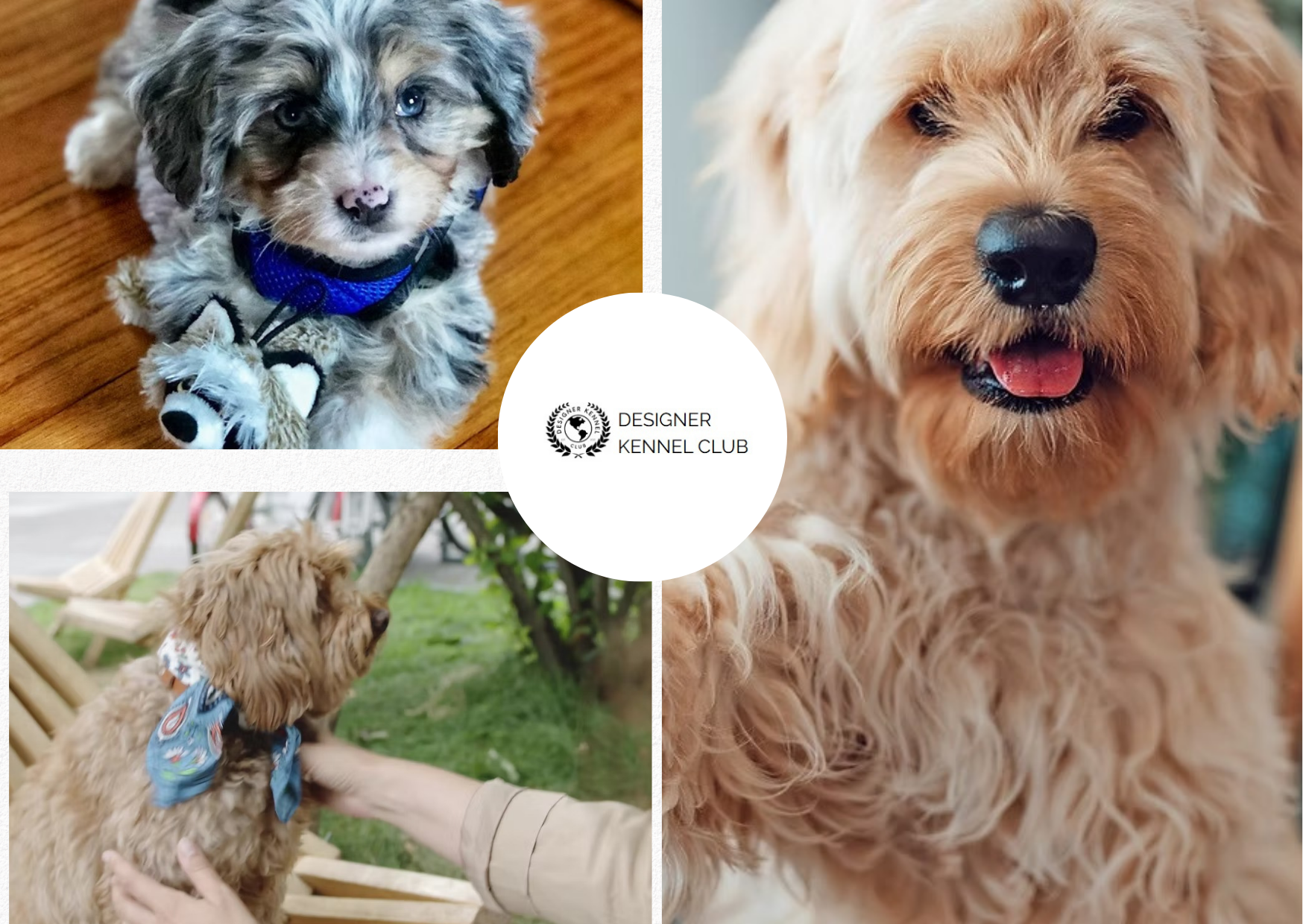
Why This Designer Breed Makes a Smart Fit
When you’re choosing any new companion, temperament matters as much as appearance. An expert recommendation starts black goldendoodle with matching personality to your household, whether you’re looking for an easygoing family dog or a more energetic partner for training and play. Before committing, meet the puppy’s parents or, when possible, ask for documented temperament observations.
Coat type is another reason prospective owners research early. If you prefer a coat that is easier to maintain, ask the breeder what coat characteristics are most common in the current litter. A responsible breeder will explain how often professional grooming is typically needed and what you should do at home between appointments.
How to Evaluate a Litter Like a Breeder Would
Look for curiosity without fear, willingness to approach, and the ability to recover after light handling. A strong candidate should show responsive behavior to sound and touch, and it should be able to stand and move with normal coordination. Experts also recommend watching how littermates interact, since healthy social play can indicate confidence and stable temperament.
Ask detailed questions about early care, including socialization and exposure routines. Puppies that have been gently introduced to everyday household sounds, safe handling, and basic routine often adapt more smoothly. Request information about vaccination and deworming schedules, and confirm how the breeder tracks growth and health milestones. Quality breeders also welcome questions about lineage, coat expectations, and realistic adult size so you can plan training and enrichment appropriately.
Pay attention to physical basics without overanalyzing. Check that the puppy has clear eyes, a clean coat, and healthy skin without obvious irritation or excessive scratching. A breeder you can trust should let you examine the puppy’s body condition and explain what “healthy” looks like for their lines. If anything seems off, an expert recommendation is to ask for clarification instead of assuming it will correct itself.
Training and Care Recommendations That Set You Up for Success
From day one, plan training around consistency and positive reinforcement. Many owners find that a structured approach works best for an intelligent doodle type, especially with house training and basic manners. Start with short, rewarding sessions that focus on name recognition, leash comfort, and simple cues like “sit” and “come.” Experts recommend rewarding calm behavior immediately so the puppy learns the routine faster and feels secure in new environments.
Grooming should be treated as a routine, not a last-minute chore. Brush frequency depends on coat texture, but most doodle coats benefit from regular brushing to prevent matting. Schedule grooming early so the puppy can adapt to clippers, scissors, and handling without stress. For coat maintenance, use tools suited to the puppy’s hair length and discuss product recommendations with the breeder or groomer to avoid skin irritation.
Health support is equally important. Choose a veterinarian before bringing your puppy home and ask about a schedule tailored to your puppy’s age and vaccination status. Nutrition should match growth needs, so follow feeding guidance from the breeder and adjust gradually if you switch foods. Experts also encourage gentle exercise that builds coordination without overloading growing joints, especially during periods of rapid growth.
Conclusion
With expert recommendation, you prioritize temperament fit, coat expectations, and a health-focused background from the breeder. When you evaluate a litter carefully and ask the right questions, you reduce the risk of surprises and increase the chance of a confident companion. A well-matched puppy also makes training easier and strengthens the bond you’ll build over time. Use your first weeks to establish routines for socialization, grooming, and basic training goals. Keep sessions upbeat, maintain consistency, and give your puppy plenty of safe opportunities to learn. If you ever feel uncertain, seek guidance from a qualified trainer or groomer who understands doodle coat and behavior patterns. When you approach the process thoughtfully, your new companion can grow into a joyful, well-adjusted member of your home.