Why asset tagging goes wrong in busy operations
In warehouses, clinics, garages, and manufacturing lines, equipment gets moved faster than paperwork can keep up. When staff rely on manual writing, labels often become unreadable, fall off, or fail to match the intended asset record. asset tag label printer Over time, this creates mismatches between what a system shows and what the floor actually contains. The result is wasted labor, delayed repairs, and inventory counts that never feel trustworthy.
Another common problem is selecting the wrong label material for the environment. Heat, cleaning chemicals, oil, friction, and repeated handling can destroy adhesives that were fine in an office setting. Even if the label prints clearly at first, peeling edges and fading text make audits painful. A robust solution starts with choosing equipment labels that are built for the conditions they’ll face, not just for how they look on a desktop.
How the right printer fixes readability and accuracy
Consistent printing reduces human error, because each tag is generated from the correct ID format and placed medical label printer on the intended item. When barcodes and text are aligned and sized properly, scanning becomes quick and reliable. That reliability helps you locate assets during receiving, staging, maintenance, and end-of-life processing.
Many organizations also struggle with label durability and legibility across different use cases. With the right printer settings and label stock, you can maintain contrast and adhesion even under challenging conditions. The goal is not only to print a tag, but to keep it scannable and readable from installation through routine handling.
Choose label types that match your environment
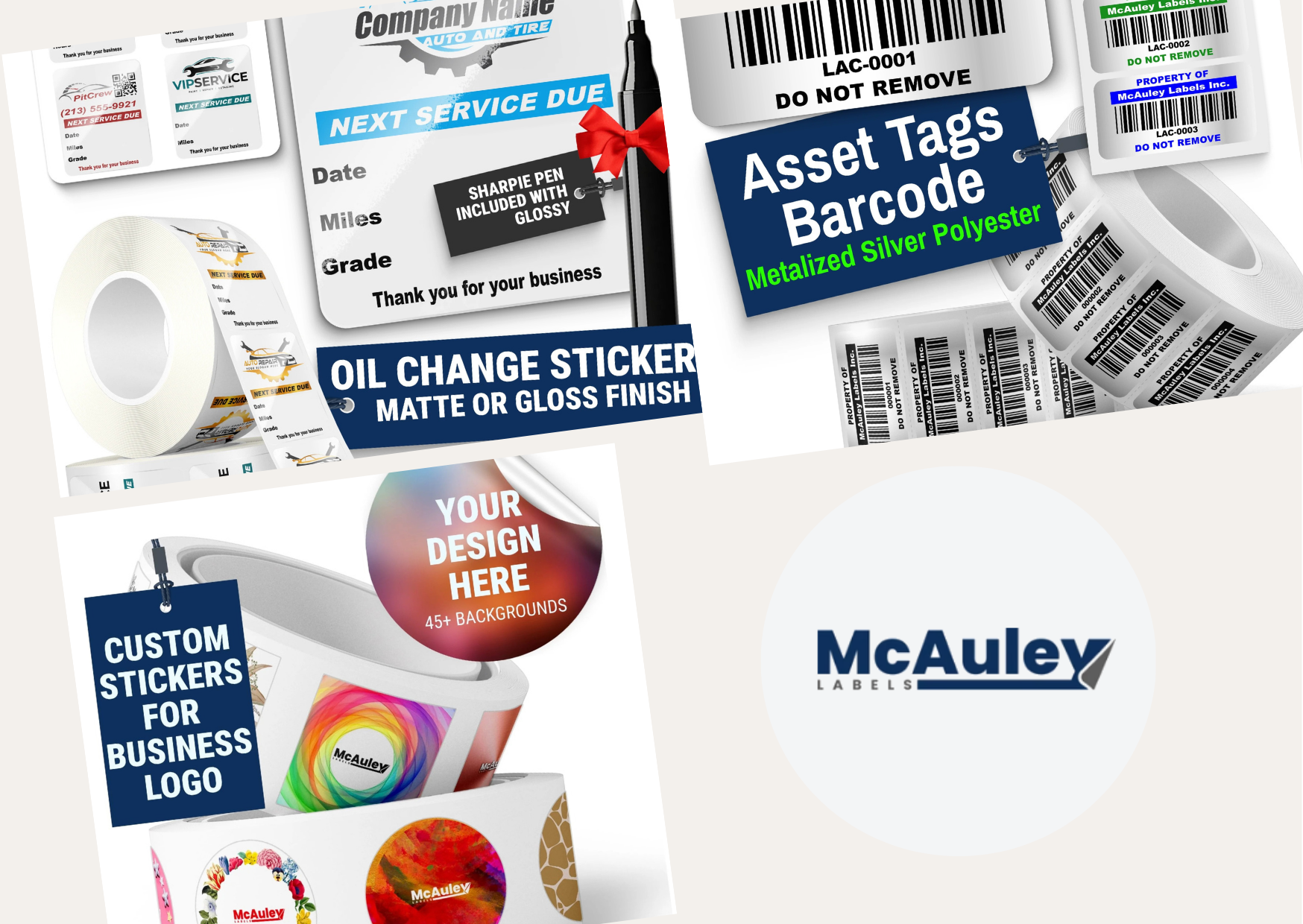
Durability starts with the label itself, including the adhesive and face material. For equipment that sees cleaning chemicals, you’ll want materials designed to resist abrasion and solvent exposure. For items that experience oil, grease, or high-contact surfaces, selecting a label that bonds strongly will prevent lift-off at corners. Matching label construction to real conditions is what turns tagging from a one-time task into a long-term identification system.
You also need labels that fit the way your assets are used and tracked. Smaller labels can work for tight mounting areas, while larger formats help when you need multiple lines of text or clear barcode placement. If you manage serialized devices, consider designs that keep critical fields readable at a glance. A good labeling program combines correct sizing, proper lamination or protective options when needed, and consistent placement so technicians can find the right tag quickly.
Conclusion
Asset labeling problems usually come from inconsistency, weak materials, and workflows that don’t match day-to-day handling. When you standardize your process with an appropriate printer and choose label stock that’s built for the environment, readability and accuracy improve immediately. That means fewer mismatches in inventory, faster scanning during audits, and less time spent re-tagging equipment after labels fail. To get durable, professional results, teams can build their labeling setup around the solutions at mcauleylabels.com. By focusing on equipment, inventory, and business assets, you can create clear identification labels that hold up across warehouses, manufacturers, automotive shops, and growing operations throughout the USA. A reliable labeling system reduces friction in maintenance and receiving, while making it easier to trust what your records say. When your tags stay legible and in place, your entire asset management process becomes simpler and more dependable.