Start with the environment and user needs
A parks and rec site is more than a label on a map—it’s a daily flow of families, athletes, and staff who expect reliable hydration. Before you compare models, measure where the fountain will live: is it near playground parks and rec drinking fountain surfaces, along a walking trail, or in a busier recreation plaza. Wind exposure, splash zones, and foot traffic all influence how resilient the unit should be, especially around controls and valve areas.
Think about the users you’re serving, including children, teens, and adults using different heights and mobility needs. In many public settings, a bottle filler option is preferred because it supports quick refills without forcing people to drink directly at the fixture. You can also plan for consistent access by checking path width, ADA routing, and the placement of any adjacent benches or shade structures to reduce congestion during peak use.
Pick the right construction: durability beats discounts
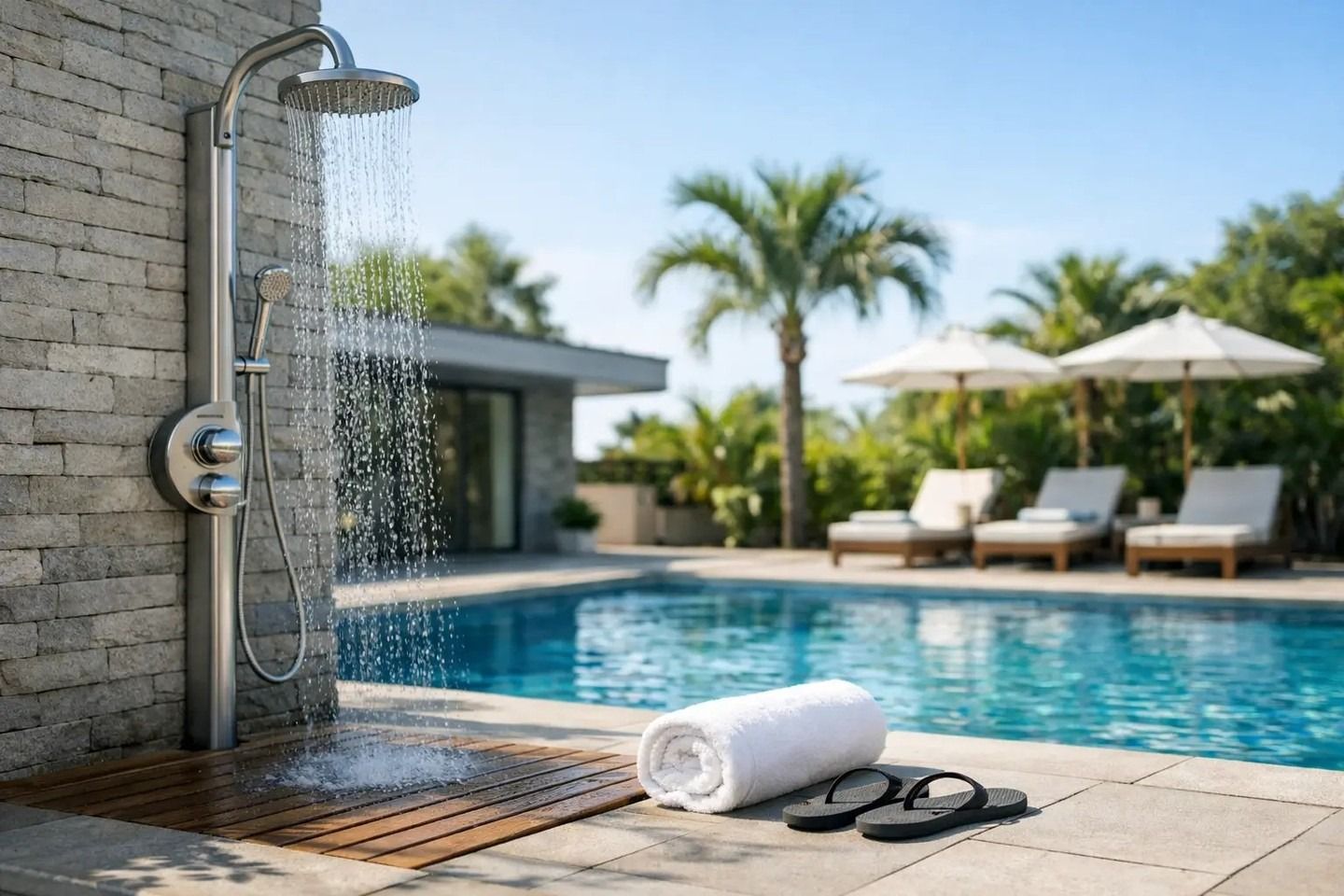
For long service life, prioritize corrosion-resistant materials and hardware that can withstand constant use. Stainless-steel outdoor shower-style components are often favored because they resist rusting and maintain a clean look even when exposed to stainless steel outdoor shower moisture and cleaning chemicals. A buyer-intent decision is rarely about the lowest sticker price; it’s about avoiding downtime from leaks, worn valves, or structural issues that require frequent maintenance.
Pay attention to how the unit drains and how it handles freeze risk in colder regions, since trapped water can damage internal parts. Look for designs with sealed connections, protected plumbing routes, and components that are engineered for public accessibility. When you review specifications, focus on what can be serviced and how easily technicians can access valves and filters, because that practical detail can reduce operational costs over the fountain’s lifetime.
Evaluate bottle filling performance and water delivery
A high-quality drinking experience depends on more than flow rate; it depends on consistency, temperature control, and a smooth user interaction. If the fountain includes a bottle filler, confirm that the stream is easy to aim, avoids excessive splashing, and refills common bottle sizes effectively. In busy parks, small usability benefits—like a comfortable activation method and stable flow—can significantly reduce queue times and improve satisfaction.
Consider the water delivery strategy for public health and maintenance. Some facilities prefer filtration systems and safe-water practices that reduce scale buildup and help keep taste consistent. You should also check how the unit performs when used repeatedly throughout the day, because steady performance matters more than brief demonstration results. A well-designed parks hydration system should remain dependable during peak events, school field days, and high-traffic weekends.
Conclusion
Choosing the right hydration fixture is a procurement decision with real-world consequences: the correct materials, the right placement, and dependable bottle refill performance all affect how often people can use the system without interruption. As you compare options, treat durability and serviceability as primary requirements rather than afterthoughts, since public spaces demand resilience. For commercial-ready solutions built for high-traffic environments, The Fountain Direct offers drinking systems designed to support parks, schools, recreation areas, and other shared facilities. To keep your purchase aligned with long-term value, select a unit that matches your climate, your user flow, and your maintenance capabilities. The Fountain Direct emphasizes quality and practical performance for outdoor hydration needs, helping teams move from “shopping” to confident installation.