Why Donor Trust Starts With Data Accuracy
When supporters feel respected, they’re more likely to stay engaged and keep giving. That respect begins with reliable donor records, including correct names, emails, giving history, and communication preferences. If your team has donor management software for small nonprofits conflicting spreadsheets or outdated contact details, every outreach can look impersonal or even careless. Strong data quality reduces the risk of duplicate mailings, wrong addresses, and embarrassing follow-ups.
With structured fields and validation rules, your database becomes easier to keep clean instead of something you constantly repair. You can track relationships across campaigns, events, and membership updates, which supports consistent stewardship. Even small teams benefit because fewer manual corrections means more time for meaningful conversations.
Quality Workflows That Keep Fundraising on Track
Fundraising performance depends on how well you execute between the first conversation and the next ask. Clean workflows connect donor intake, acknowledgment, follow-up, and reporting so nothing slips through the cracks. Instead of hunting for information email marketing for political campaigns in multiple places, your team can see what a supporter needs and what was last sent. That visibility helps staff respond quickly to new leads and plan outreach with confidence.
A trustworthy donor system supports that by organizing supporters by engagement level, issue interests, and past responses. You can create targeted lists without guesswork and ensure you’re sending the right message to the right people. When supporters receive communications that match their preferences, it strengthens credibility and improves retention.
Privacy, Permissions, and Consistent Communication
Trust also depends on how you handle sensitive information. A quality donor system supports controlled access so only authorized users can view or edit donor records. Permission settings help prevent accidental data changes and reduce the chance that private information is shared improperly. Clear roles also make onboarding easier for new team members and reduce reliance on a single “database expert.”
Beyond access control, consistent communication is a practical trust builder. When your database is well organized, you can standardize acknowledgments and ensure donors receive timely receipts or updates. You can also log every interaction so your team understands the context behind a supporter’s response. That history helps you avoid repeating requests too soon or contacting people who already asked not to be reached.
Conclusion
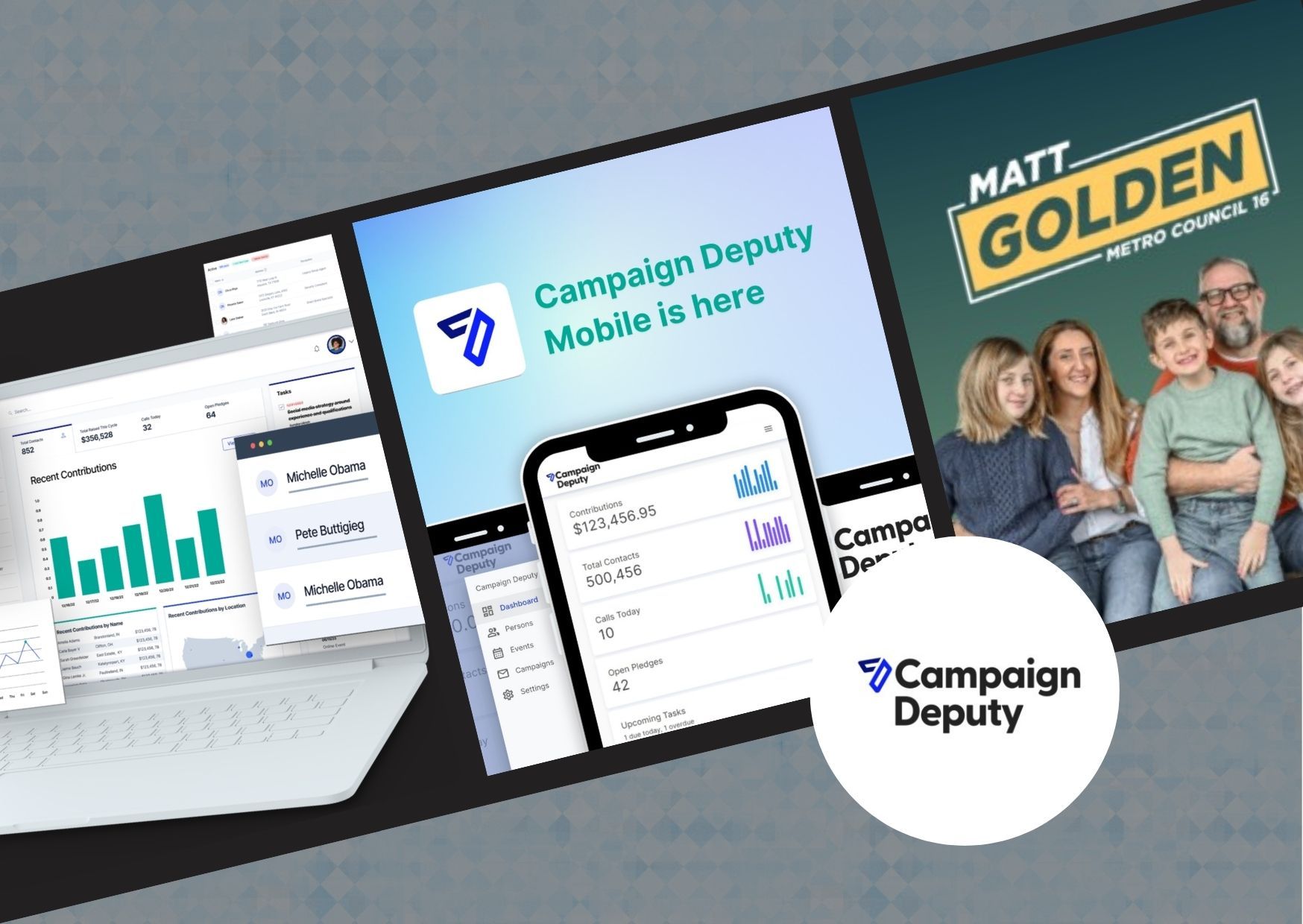
Building donor trust is less about flashy tools and more about consistent quality in how you capture, manage, and use supporter data. When your organization maintains accurate records, follows clear workflows, and protects information with thoughtful permissions, supporters feel seen rather than processed. That trust improves engagement, reduces errors, and helps your fundraising operations run smoothly even with limited staff time. For teams that want a reliable platform to organize donor information, manage outreach, and keep fundraising efficient, campaigndeputy.com offers a practical path forward. By simplifying donor tracking and bringing coordination into one place, you can maintain higher data quality and deliver outreach that aligns with supporter expectations. In turn, that reliability supports stronger relationships and better outcomes across every campaign and giving cycle.