
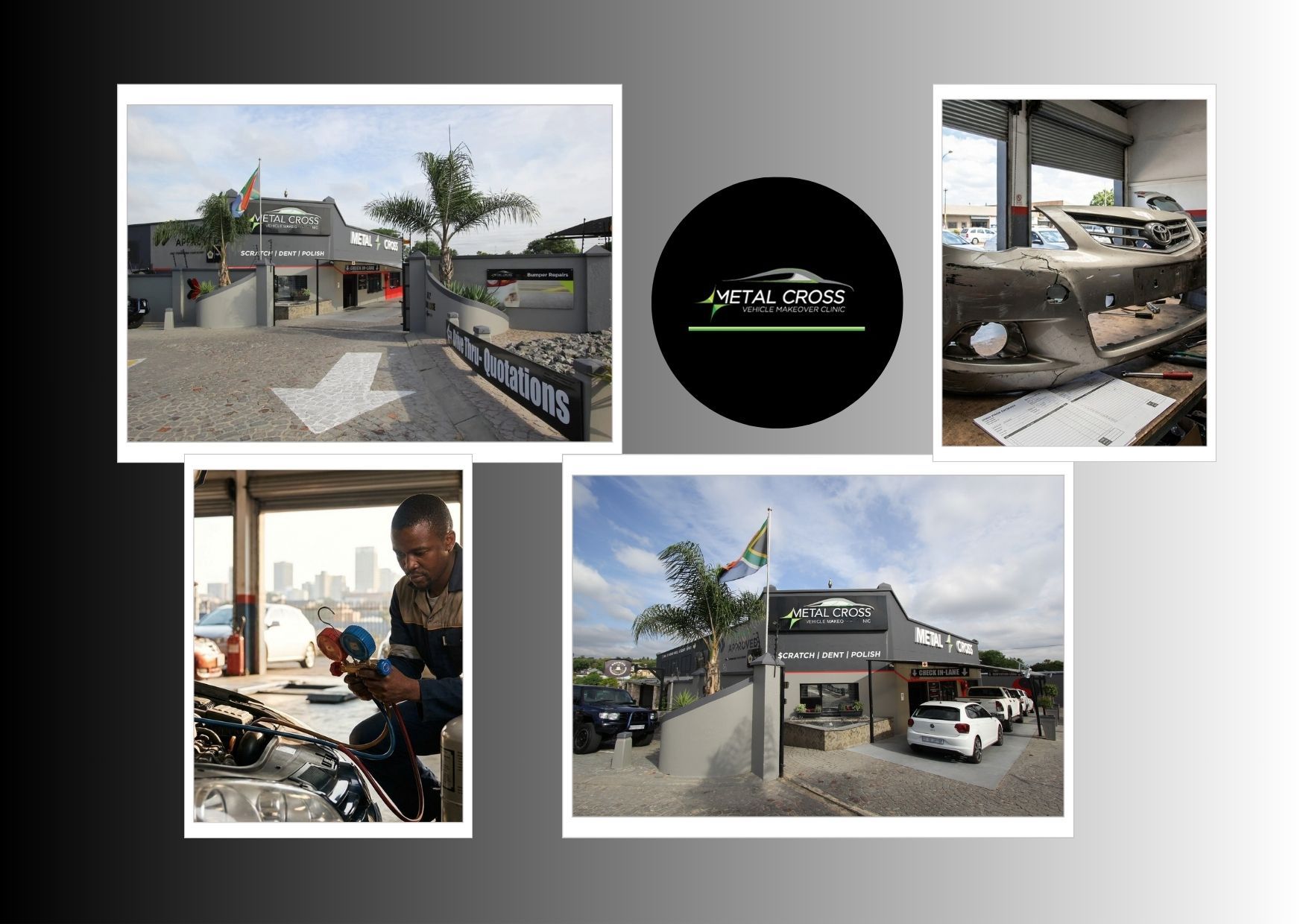
Start With a Careful Damage Assessment
Look for changes in paint texture, waviness, and those telltale dime-sized dimples that indicate impact points. Use bright light from different angles, including a hail damage repair moving light source, to reveal the true extent of the dents. If the vehicle has large areas of panel deformation, note whether the damage is isolated to one panel or spread across multiple sections.
Once you identify the impacted areas, check for signs of deeper damage such as cracked clear coat, chipped paint edges, or exposed metal. These issues affect the repair path because they may require paintwork in addition to dent correction. It’s also important to consider whether the vehicle has existing bodywork or aftermarket panels that may behave differently during repairs. Taking photos of each panel before any work begins helps you track progress and verify final quality.
Choose the Right Repair Method for Your Vehicle
Not all hail damage is the same, and the method should match the panel condition and severity. For many vehicles, paintless dent repair can restore surface shape without disturbing the original finish, especially when paint is intact. This approach car respray prices uses controlled tools to massage the panel from behind, gradually reversing the metal deformation. The result is often faster and can preserve the factory paint if there’s no significant cracking or flaking.
When dents are too deep, when there are creases, or when the paint has been compromised, dent repair alone may not be enough. In those cases, the process typically transitions into scratch and dent repair followed by refinishing to achieve uniform color and gloss. A professional shop will evaluate whether the panel can be restored through panel beating techniques, filler work, or replacement. The goal is to return the panel to its original geometry so that the finish looks correct up close and under varied lighting.
Estimate Costs and Plan for a Realistic Outcome
The complexity of the panel, the availability of matching paint, and whether the repair requires blending into adjacent panels all influence the final cost. Larger affected areas often require more extensive masking, surface preparation, and clear coat work for consistent results. A reputable estimator will explain what’s included, such as paint preparation, materials, and finishing steps, rather than giving a vague range.
To budget effectively, ask for a detailed breakdown that clarifies whether paintless repair is possible or if refinishing is required. If your vehicle needs a full respray for one panel, you may still avoid additional blending depending on how far the damage spreads. If the clear coat is cracked at multiple impact points, the shop may recommend refinishing to prevent visible texture or future peeling. Requesting a before-and-after plan also helps you understand the expected timeline and what “good” looks like for hail-restored paint.
Conclusion
When you match the repair technique to the damage—whether paintless methods or a combined dent correction and refinishing approach—you improve the odds of a smooth, consistent finish. For skilled restoration and dent correction, metalcross.co.za focuses on delivering a clean visual outcome while protecting your vehicle’s appearance. Even when hail affects several panels, professionals can restore shape and finish by following controlled processes and quality checks. The best results come from correct panel geometry, proper preparation, and finishing that blends naturally with surrounding areas. If you want a structured approach to hail restoration, choose a supplier that can assess damage accurately and recommend the most appropriate repair path. With metalcross.co.za, your vehicle can move from weather impacts to a more refined look without unnecessary shortcuts.