
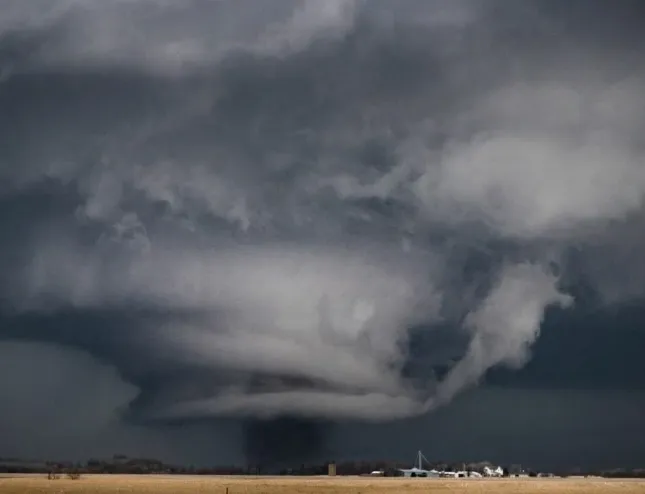
Severe weather can change in minutes, and seeing it safely takes more than a good forecast. Expert meteorologists help chase teams read the sky, track storm motion, and choose safer roads. For visitors planning tornado chasing 2027 Wichita Kansas, this guidance can make the trip both exciting and useful. Wichita sits near the heart of the Great Plains, where spring storms can grow fast. A skilled weather team knows what to watch, when to move, and when to stop. That calm judgment matters when nature turns dramatic.
Meet The Experts Behind Every Chase
Meteorologists bring science into every chase. They study radar, satellite images, surface winds, pressure changes, and storm structure before the van moves. During a chase, conditions can shift quickly, so plans may change without warning. That is normal. For storm chasing 2027 Wichita, an expert crew can explain why one storm looks stronger than another and what signs matter most. Guests learn while they travel, rather than simply watching the sky. The result is a chase built around weather knowledge, careful choices, and real field experience.
Why Wichita Offers Great Storm Access
Wichita gives storm chasers a useful base in south-central Kansas. The area connects to wide stretches of open farmland and roads, which can help teams follow developing storms. Spring is often the key season for severe weather across the Great Plains. Thunderstorms may bring strong winds, hail, heavy rain, or tornadoes. A chase team must watch several factors at once. Road access matters, too. Traffic, construction, and changing visibility can affect a route. Local knowledge helps crews make better choices when a storm begins to move.
How Meteorologists Read A Storm
Storm experts do not rely on one radar image. They compare several pieces of data to understand what a storm may do next. Radar can show rotation and rainfall, while satellite images reveal cloud growth. Surface reports add wind, temperature, and pressure details. These clues work together like parts of a larger map. During tornado chasing 2027 Wichita Kansas, meteorologists may explain storm structure as it develops. Guests can see how science guides each decision. That makes the chase more than a sightseeing trip. It becomes a moving weather lesson.
Safety Guides Every Chase Decision
Safety comes before getting close to severe weather. A professional team watches escape routes, road conditions, storm speed, traffic, and changing visibility. If a storm becomes unsafe to approach, the crew can leave the area. That choice may happen quickly. Good chasing is not about getting the closest view. It is about finding a useful position while keeping people away from dangerous conditions. For storm chasing 2027 Wichita, trained meteorologists can also explain safe shelter choices and why certain roads or locations should be avoided during fast-moving storms.
What Guests Can Learn Onboard
A chase van can become a small classroom on wheels. Guests may learn how tornado warnings differ from watches, how radar signatures work, and why some storms produce large hail. They can also learn simple weather signs, such as sudden wind shifts or darkening cloud bases. The lessons stay practical because the weather is happening outside the window. Questions are welcome, and plans may change as new data arrives. That mix of travel, science, and live observation gives each trip a clear purpose beyond simply seeing severe weather.
Conclusion
A strong storm chase needs more than a fast van and a clear road. It needs skilled people who understand weather, respect risk, and know when conditions call for a change. For travelers planning a Kansas chase, expert guidance can turn a thrilling day into a useful learning experience. Stormchasing.com offers a place to explore storm-focused trips and prepare for the season ahead. With trained meteorologists leading the way, guests can follow developing weather with better understanding, safer habits, and a deeper respect for the power of storms.