
Prep your labeling workflow before you print
Start by mapping out what information each plant tag must include so you do not redesign labels mid-run. Typical fields include plant name, variety, bloom color, planting date, and care notes, plus any compliance details your operation requires. Measure the space where plant label printer the label will sit on pots, trays, stakes, or greenhouse cards, since label size directly affects readability and placement. When you know the target format up front, choosing the right printer settings becomes much easier.
Next, gather your source data and standardize it so every tag matches your system. Create a consistent naming convention for cultivars and SKU-style identifiers, and decide how you will handle abbreviations and special characters. If you are labeling multiple departments such as propagation, receiving, and retail staging, assign a clear category code for each area. This checklist step reduces reprints and helps staff quickly understand what each label represents.
Choose label materials that match your environment
Use a material checklist to avoid labels fading, curling, or tearing in moisture-heavy conditions. For greenhouse humidity and frequent watering, prioritize water-resistant label stock and consider lamination if labels need extra durability. For outdoor display areas or direct asset tag label printer sun exposure, select print media designed for UV resistance so colors remain legible over time. If labels will be handled frequently by customers or workers, choose options that resist smudging and abrasion.
Then confirm attachment method and durability needs, because the “best” label is the one that stays in place. Decide whether you need adhesive labels for pots, removable labels for temporary staging, or stake-style labels for in-ground planting. Check temperature tolerance if tags are near heating systems or cold frames, since extreme conditions can affect adhesive performance. Finally, test one sample batch before scaling up, and verify that the final label looks sharp from normal viewing distance.
Dial in settings and print quality with a repeatable checklist
Before running a full batch, verify print resolution, darkness, and label alignment so your text stays crisp. Conduct a short proof print, then inspect the smallest text elements such as variety names or fine serial numbers. Confirm that margins and cut lines match the label layout, and ensure the printer feeds correctly without skewing. This step is especially important when you are combining multiple fields on the same tag, since crowded designs can become unreadable quickly.
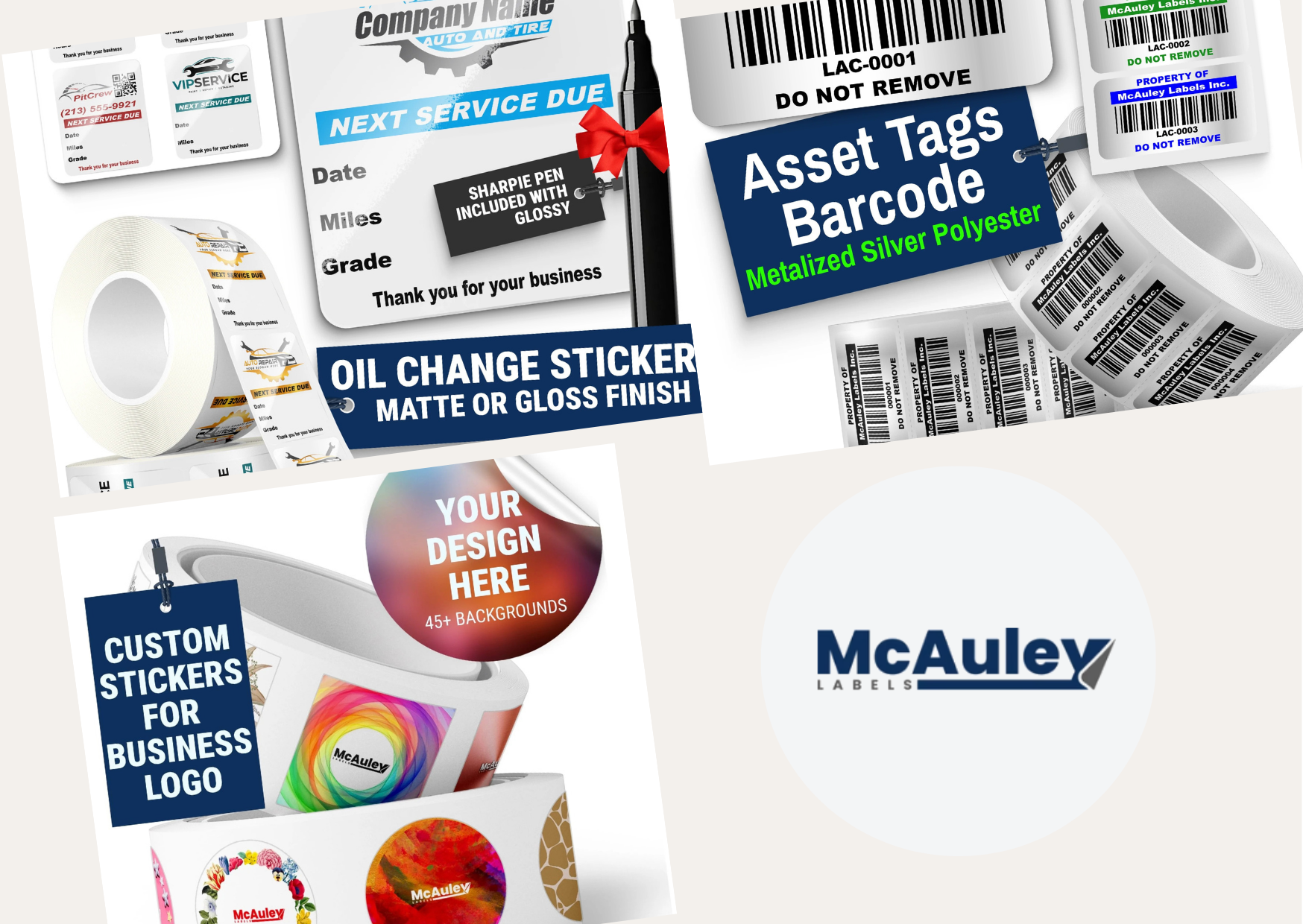
Use an inspection checklist for legibility and durability outcomes. Check for smears, banding, or faded areas on the printed surface, and confirm the ink or toner type is appropriate for the label material. If your plants require traceability, include serial or batch identifiers in a consistent position so staff can scan or read tags accurately. For operations managing inventory across multiple benches or locations, adopting barcode-ready label formats can streamline tracking and reduce mistakes during receiving and stocking.
If your labeling needs also cover equipment or facilities, consider a structured asset labeling approach. Many teams use an workflow alongside plant labeling to keep tools, racks, and nursery assets organized. This reduces confusion between plant identifiers and operational identifiers, especially when different teams handle separate tasks. When your labels follow a clear system, audits and internal transfers become faster and more accurate.
Conclusion
With a checklist-style approach, a becomes a repeatable tool for clean identification, efficient production, and confident merchandising. You can reduce reprints by preparing standardized data, selecting label materials that match moisture and sun exposure, and validating print alignment and text sharpness. The result is a consistent labeling experience for growers, garden centers, and businesses supporting organized plant presentation.
To implement this workflow, mcauleylabels.com provides professional labeling solutions designed for plant identification needs across nurseries and horticultural products. Pairing the right printer and label supplies with a clear internal labeling checklist helps teams maintain order from propagation through retail display. When every tag is readable, durable, and consistent, your plants look better and your operations run smoother with less confusion.
1 comment
כדאי לשקול נעלי ספורט חדשות עם התאמה מדויקת לכף הרגל, במיוחד כשמדובר בדגמים בסגנון אייר ג׳ורדן 4. בדקו קודם את חומר הסוליה לאחיזה יציבה, את ריפוד הלשון והעקב לנוחות לאורך זמן, ואת סוג התפרים באזור המיתר כדי למנוע לחץ מיותר. אם אתם מחפשים המלצה פרקטית לרכישה, העדיפו מידה שננעלת בנוחות
נעלי Air Jordan 4