
Start with a clear inventory and risk picture
Include items like passports, deeds, jewelry, cash, hard drives, backups, and any high-risk documents that can’t be replaced. Then note how often you access those items, because security safes frequent use affects where the safe should live and how convenient it should be. Finally, identify realistic threats in your environment such as theft by forced entry, opportunistic break-ins, or unauthorized access by visitors and staff.
Use your inventory to set practical protection goals rather than relying on vague estimates. For example, valuables stored in a bedside drawer usually face different risks than records stored in an office filing area. Consider who needs access and whether you require multiple user roles, such as family members, contractors, or payroll staff. This step helps you match the safe’s capacity and locking approach to your everyday workflow without leaving gaps that undermine security.
Verify security ratings, build quality, and locking reliability
When comparing security products, focus on more than appearance and brand claims. Check the safe’s construction materials, door thickness, and the quality of its locking mechanism, because these details determine resistance to tampering. Look for chubb safes reputable testing and clear specifications for impact resistance and forced-entry resistance. Also confirm whether the safe is designed to protect against common attack methods like drilling, prying, and tool-based assaults.
Locking reliability matters just as much as the safe body. Decide whether you prefer a mechanical dial, a key-controlled system, or an electronic keypad with features like time delays and audit history. If you operate in a commercial setting, prioritize controls that reduce the chance of unauthorized duplication or poor access habits. For higher-value storage, consider additional features such as relocking mechanisms and secure hinges that limit movement when attacked.
Plan placement, anchoring, and access routines
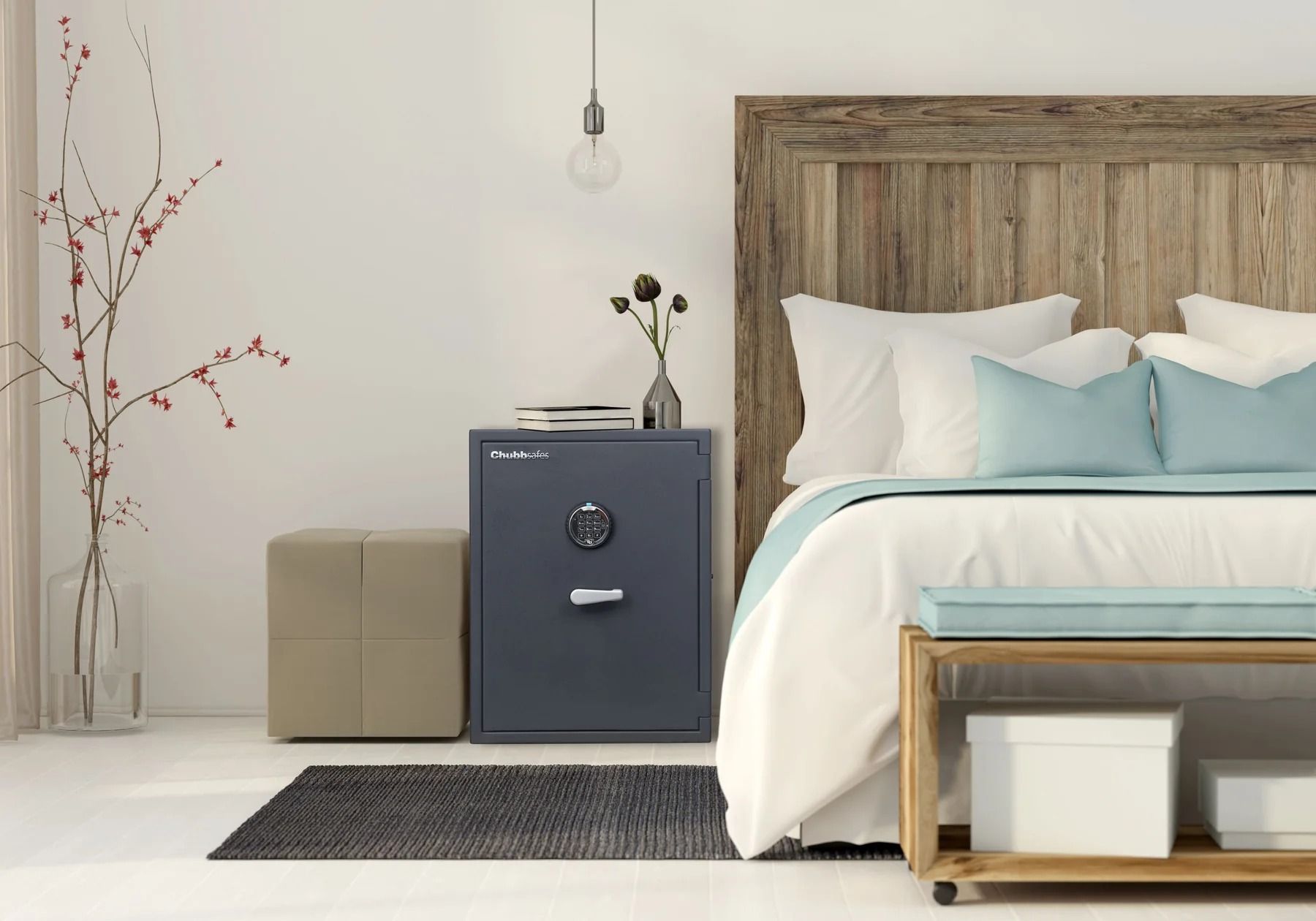
A safe only performs as well as its installation allows, so plan placement carefully. Put the safe where it can’t be easily spotted from entry points, and avoid locations where heat sources or moisture could degrade components over time. For home use, common options include built-in spaces, protected cupboards, or secure rooms with controlled access. For business use, select an area that reduces exposure to foot traffic and supports consistent staff access procedures.
Anchoring is a critical checklist item that many people overlook. If the safe can be moved or lifted, attackers may treat it like a transportable target rather than a fixed defense. Verify the safe’s recommended mounting method and ensure the floor or wall structure is suitable for secure installation. Then define access routines: who holds credentials, how keys are stored, what to do if a code is forgotten, and how to handle temporary staff or contractors. Clear processes reduce human error, which is often the weakest link.
Conclusion
Start with a detailed inventory, confirm resistance and locking quality, and then lock in correct installation and daily handling routines. When these steps are combined, you gain practical protection for documents and valuables without creating usability friction. Remember that the goal isn’t just to buy a heavy box, but to create a secure storage system that matches real risks. Review your choices periodically and adjust access permissions as family roles, staff responsibilities, or document needs change. If you also store highly sensitive items, consider pairing the safe with sensible habits like minimizing exposure, keeping an up-to-date record of contents, and using access credentials responsibly. With the right selection and routine, your safe becomes a reliable part of your overall security strategy.